
10 Hands-On Reasons to Embrace UX Design: Insights from a Seasoned Design Expert

Written by Carsten Warga
As a seasoned art director & designer with years of experience navigating the intricate landscapes of design experience, I’ve come to appreciate the profound impact that effective UX design can have on digital products and services. From shaping user interactions to driving business success, the realm of UX design is rich with opportunities to innovate, iterate, and ultimately enhance the overall user experience.
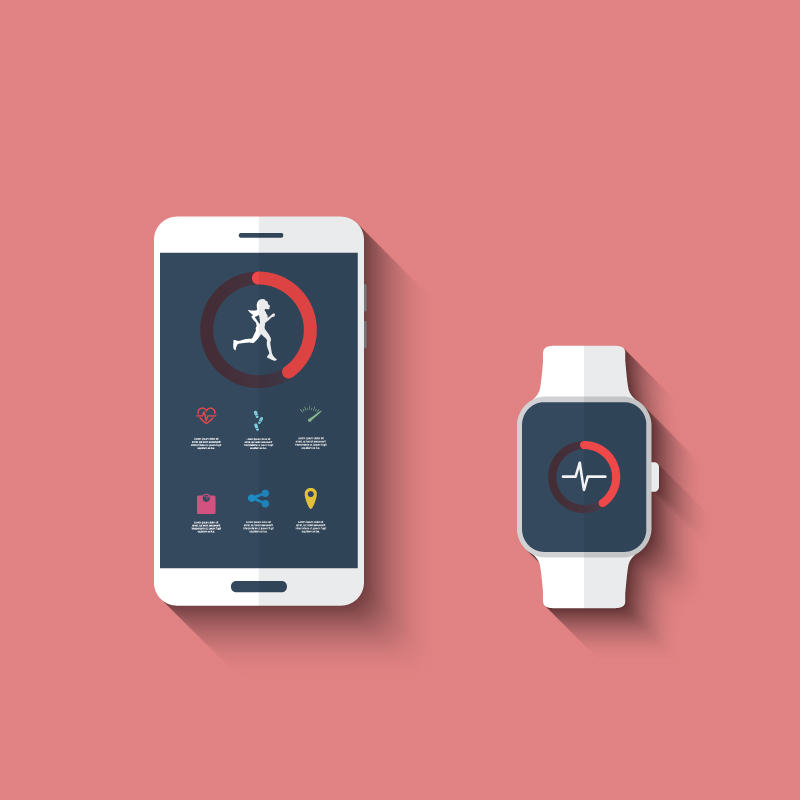


UX design is not just a job; it’s a mindset that puts the user at the center of everything we create.*
In this article, I delve deep into 10 hands-on reasons why integrating UX design into your projects is not just beneficial but imperative in today’s digital age.
User-Centric Approach: At the heart of UX design lies a relentless focus on the end user. By understanding their needs, preferences, and pain points, we can craft experiences that resonate deeply with them. This user-centric approach ensures that our designs are not just visually appealing but also highly functional and intuitive, ultimately leading to increased user satisfaction and loyalty.
Enhanced Usability: One of the core objectives of UX design is to optimize usability. By conducting thorough research, usability testing, and iteration cycles, we can streamline user interactions, minimize cognitive load, and eliminate unnecessary friction points. This results in a smoother, more enjoyable user experience, which is paramount for retaining users and driving engagement.
Improved Accessibility: Accessibility is not just a legal requirement; it’s a moral imperative. Integrating accessibility considerations into the UX design process ensures that digital products and services are usable by everyone, including those with disabilities. From designing with screen readers in mind to implementing color-contrast ratios, accessibility-focused UX design ensures inclusivity and equal access for all users.
Boosted Conversions: A well-crafted user experience has the power to drive conversions and increase ROI. By optimizing conversion funnels, reducing checkout friction, and strategically placing calls-to-action, UX designers can significantly improve conversion rates and ultimately drive business growth. Whether it’s an e-commerce platform or a SaaS product, prioritizing UX can have a tangible impact on the bottom line.
Brand Differentiation: In today’s crowded digital landscape, brand differentiation is more important than ever. By infusing brand personality and values into the user experience, UX designers can create unique, memorable interactions that set brands apart from the competition. Whether it’s through micro-interactions, visual aesthetics, or tone of voice, UX design offers a powerful platform for expressing brand identity and fostering emotional connections with users.
Future-Proofing: The digital landscape is constantly evolving, with new technologies and trends emerging at a rapid pace. By staying abreast of industry developments and embracing emerging technologies like AI and machine learning, UX designers can future-proof their designs and ensure they remain relevant and competitive in the long term. Whether it’s designing for voice interfaces or incorporating chatbots, embracing innovation is key to staying ahead of the curve.
Reduced Support Costs: A user-friendly experience not only delights users but also reduces the burden on customer support teams. By addressing common pain points, providing clear guidance, and anticipating user needs, UX designers can minimize the occurrence of user errors and support queries. This, in turn, leads to lower support costs, higher customer satisfaction, and more time for teams to focus on strategic initiatives.
Agile Iteration: Agile methodologies have become the cornerstone of modern product development, and UX design is no exception. By adopting an iterative approach to design, UX designers can quickly prototype, test, and iterate on ideas, allowing for rapid refinement and improvement. This iterative cycle not only fosters continuous improvement but also enables teams to adapt to changing user needs and market dynamics more effectively.
Data-Driven Decision Making: In today’s data-driven world, UX design provides invaluable insights into user behavior and preferences. By leveraging analytics tools, heatmaps, and user feedback, UX designers can gather rich data to inform design decisions and prioritize features that will have the greatest impact. This data-driven approach helps mitigate risks, validate hypotheses, and ensure that design decisions are grounded in empirical evidence rather than subjective opinions.
Fostering Empathy: Last but certainly not least, UX design fosters empathy and human-centered thinking. By putting ourselves in the shoes of the end user, and understanding their motivations and frustrations, we can create experiences that genuinely resonate with them on a human level. This empathy not only leads to better design outcomes but also cultivates a culture of empathy within organizations, driving collaboration, innovation, and ultimately, success.

In conclusion, the value of UX design extends far beyond aesthetics or usability; it’s about creating meaningful, impactful experiences that delight users, drive business results, and make the world a better place.
By embracing UX design principles and integrating them into our projects, we can unlock a world of possibilities and create experiences that truly make a difference.
Written by Carsten Warga

Follow Me
Join
Subscribe For More Insights
Lorem ipsum dolor sit amet, consectetur adipiscing elit. Aenean scelerisque suscipit condimentum. Vestibulum in scelerisque eros. Fusce sed massa vel sem commodo.